When Your Insurance Company Overrules Your Doctor: Understanding Formulary Barriers and How to Fight Back
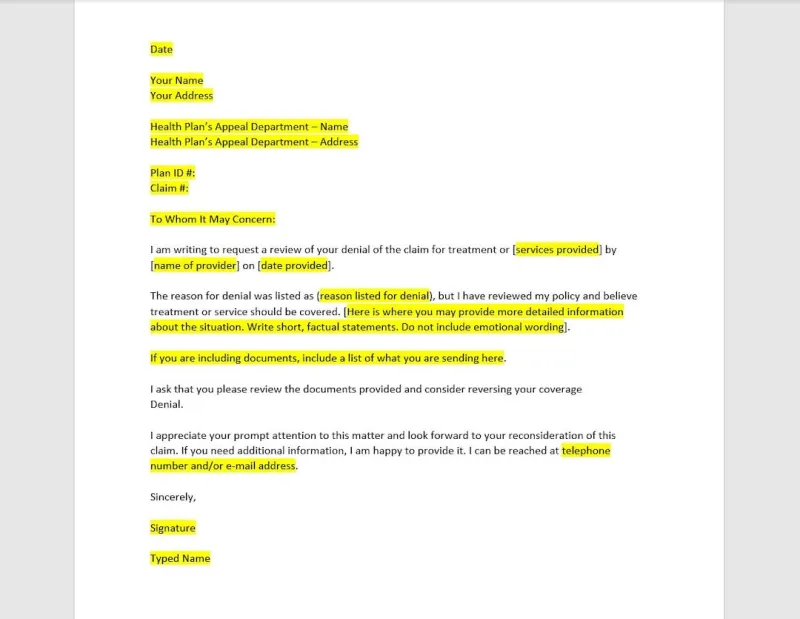
Photo: patient reviewing insurance denial letter at pharmacy counter, via i.etsystatic.com
The Prescription Your Doctor Wrote Is Only the Beginning
When a physician writes a prescription, most patients assume the process is straightforward: hand the paper to the pharmacist, pay the copay, and go home. What many Americans do not realize is that a third party—their health insurance company—frequently inserts itself into that transaction with the power to deny, delay, or redirect their medication access entirely.
This is not a fringe problem. According to the American Medical Association, prior authorization requests have increased dramatically over the past decade, and a substantial share of those requests result in delays or outright denials. Patients often end up paying more out of pocket, or switching to alternative drugs their insurer prefers, even when their doctor specifically chose a different medication for sound clinical reasons.
Understanding why this happens—and what you can do about it—is a fundamental aspect of pharmaceutical literacy in today's healthcare landscape.
What Is a Drug Formulary, and Why Does It Matter?
Every health insurance plan maintains a document called a formulary: a tiered list of covered medications ranked by how much the plan is willing to pay for them. Drugs placed on lower tiers typically carry lower patient copays, while those on higher tiers—or excluded from the formulary entirely—can cost patients hundreds or even thousands of dollars per month.
Insurers construct formularies based on a combination of factors including negotiated rebates from pharmaceutical manufacturers, clinical evidence, and cost-containment strategies. A drug that your physician considers the most appropriate choice for your condition may sit on a high-cost tier—or be absent from your plan's formulary altogether—not because it is less effective, but because the insurer has a financial arrangement favoring a competing product.
This creates a situation in which clinical judgment and financial incentives can directly conflict, often without the patient's knowledge.
Prior Authorization: A Gatekeeping Mechanism You Should Understand
Beyond formulary placement, many insurers require a process called prior authorization (PA) before they will cover certain medications. Under this system, your physician must submit documentation to the insurance company demonstrating that the prescribed drug is medically necessary—sometimes before you can fill even a single dose.
Prior authorization requirements were originally designed to prevent inappropriate prescribing. In practice, however, they frequently function as bureaucratic barriers that delay necessary treatment. A 2022 AMA survey found that 94 percent of physicians reported that PA requirements sometimes or often delay patient access to necessary care. One in four physicians reported that a patient experienced a serious adverse event as a direct result of a prior authorization delay.
For patients, the experience often feels arbitrary: a medication covered last year may require prior authorization this year simply because the insurer updated its formulary. Step therapy—sometimes called "fail first" requirements—forces patients to try and fail on a cheaper, insurer-preferred drug before the plan will cover the medication their doctor originally prescribed.
Recognizing the Signs That Your Coverage Has Been Redirected
Patients are not always clearly informed when a coverage decision affects their prescription. Common warning signs include:
- An unexpected price at the pharmacy counter. If your copay is dramatically higher than anticipated, your medication may have shifted tiers or been placed in a non-preferred category.
- A pharmacist informing you that prior authorization is required. This means your insurer has flagged the drug for additional review before it will pay.
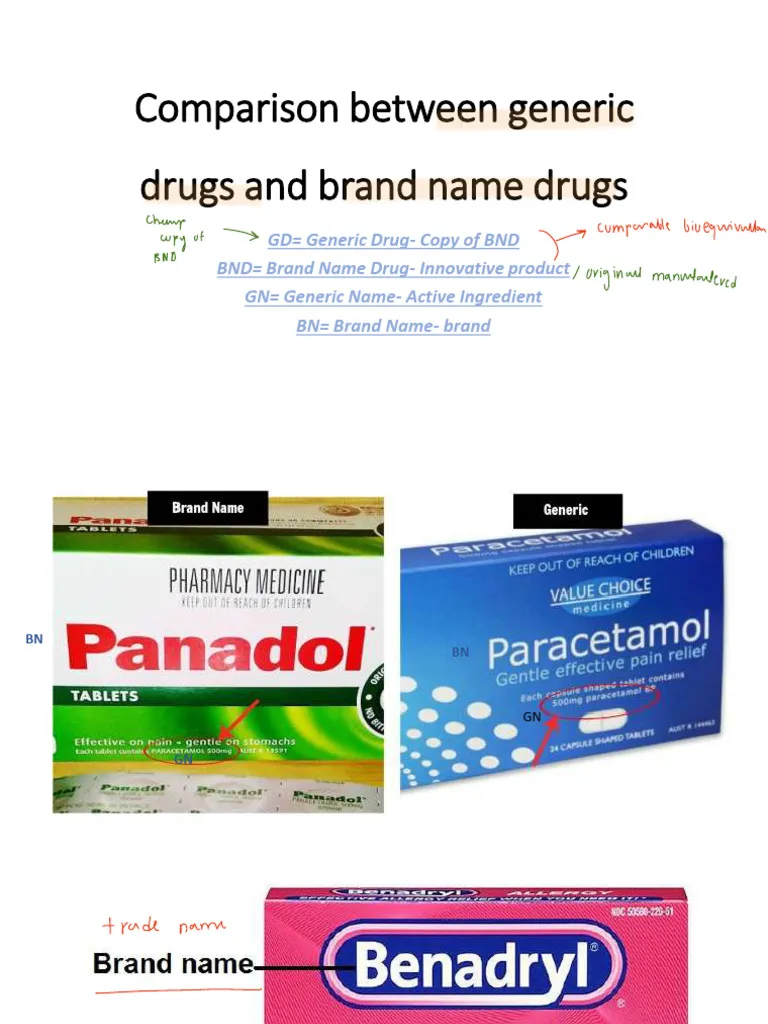
- A substitute suggestion from the pharmacy. Pharmacists may offer a "formulary alternative" at a lower price, which may or may not be therapeutically equivalent for your specific situation.
- A denial letter in the mail. If your insurer has already processed a claim, a denial notice will typically arrive by mail or through an online patient portal.
If any of these situations arise, it is important not to simply accept the insurer's decision without further inquiry.
How to Appeal an Insurance Denial Effectively
Insurance denials are not final. Federal law under the Affordable Care Act guarantees patients the right to an internal appeal, and in many cases, an external review by an independent third party. The following steps can significantly improve your chances of a successful appeal.
Step 1: Request the specific reason for the denial in writing. Insurers are required to provide written explanation of any coverage denial, including the clinical criteria they applied. This document is essential for building your appeal.
Step 2: Ask your physician to submit a letter of medical necessity. A detailed letter from your doctor explaining why the prescribed medication is clinically superior to the formulary alternative—citing your diagnosis, treatment history, and any contraindications to the preferred drug—carries substantial weight in the appeals process.
Step 3: Gather supporting clinical documentation. Published clinical guidelines, peer-reviewed studies, and records of prior treatment failures all strengthen an appeal. Your physician's office can assist in compiling this documentation.
Step 4: File your internal appeal promptly. Most insurers impose a deadline of 30 to 180 days from the date of denial to submit an internal appeal. Missing this window can forfeit your right to challenge the decision.
Step 5: Request an expedited review if your condition is urgent. Federal regulations require insurers to process expedited appeals within 72 hours when a standard timeline would seriously jeopardize your health.
Step 6: Escalate to an external review if the internal appeal fails. An independent review organization—not affiliated with your insurer—will evaluate your case. Insurers are legally required to comply with the external reviewer's decision.
Additional Strategies While You Wait
Appeals take time, and patients often need their medication immediately. Several parallel strategies can help bridge the gap.
Many pharmaceutical manufacturers offer patient assistance programs or copay savings cards that can dramatically reduce out-of-pocket costs for brand-name medications while an appeal is pending. Your physician's office or a pharmacist can help identify whether such programs exist for your specific drug.
You may also contact your state's insurance commissioner's office if you believe your insurer is acting in bad faith or violating state coverage mandates. Many states have enacted prior authorization reform legislation that provides additional patient protections beyond federal requirements.
Finally, ask your physician whether a therapeutic alternative exists that is both clinically appropriate and covered under your current formulary. This is not the same as accepting a substitution your insurer prefers—it is a medically informed conversation about whether a covered option genuinely meets your clinical needs.
The Informed Patient's Advantage
The formulary system is complex, but it is not impenetrable. Patients who understand how insurance drug decisions are made, and who are willing to advocate for themselves through the appeals process, consistently achieve better outcomes than those who accept the first denial without question.
At Royal Health Pharma, we believe that pharmaceutical literacy extends well beyond understanding how a drug works inside the body. It includes understanding the systems that govern whether you can access that drug at all—and knowing exactly how to navigate those systems when they stand between you and the treatment your physician determined you need.