When the Tablet in Your Refill Changes: A Practical Guide to Generic Switches and Visual Differences
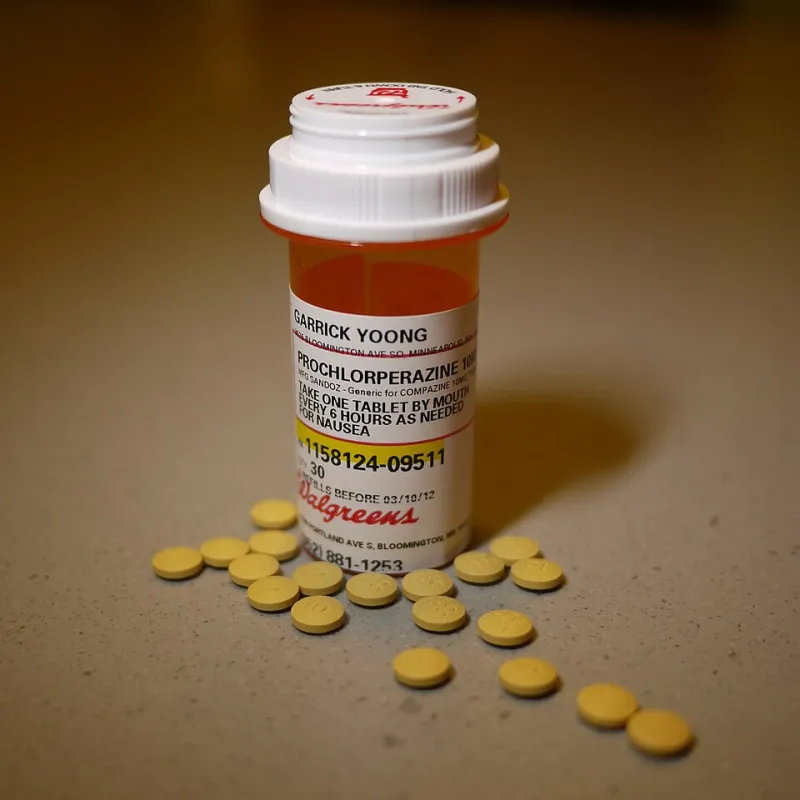
Photo: Thirteen Of Clubs, CC BY-SA 2.0, via Wikimedia Commons
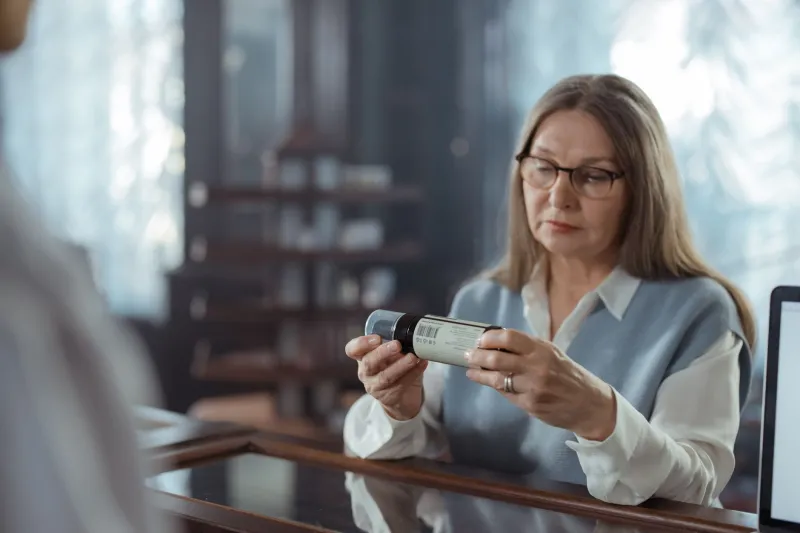
An unfamiliar tablet in a prescription bottle is one of the most common medication worries reported to pharmacists. A patient opens a refill and finds a pill that is a different color, shape, or size from the one taken for months. The immediate assumption is often that a mistake has occurred. In many cases, however, the change reflects a switch in generic manufacturer rather than a change in the active ingredient.
That distinction matters, but it does not make every visual change irrelevant. Appearance changes can create confusion, especially for older adults, caregivers, and people who manage several medicines. The practical response is neither panic nor indifference. It is verification.
Why a Refill Can Look Different Without Being a Different Drug
In the United States, generic medicines must contain the same active ingredient, strength, dosage form, and route of administration as the brand-name reference product. They must also meet federal bioequivalence standards, meaning the active drug reaches the bloodstream in a comparable way. Those requirements do not force every generic to look identical to every other generic.
Manufacturers use different inactive ingredients, often called excipients, to bind, fill, coat, color, preserve, or flavor a tablet or capsule. A pharmacy may also change suppliers because of availability, contracts, or distribution. When that happens, the same prescription can arrive as a different-looking product. The active ingredient may be unchanged, but the tablet's exterior may not be.
What Changes Between Manufacturers—and What Should Not
The following features can legitimately vary among generic products containing the same active drug:
- Color and coating
- Shape and size
- Imprint codes and scoring
- Inactive ingredients, including binders, fillers, and dyes
- Packaging and manufacturer name
The following should not vary without a new prescription or an authorized change: the drug name, the strength in milligrams or micrograms, the dosage form, and the directions for use. If any of those elements differ from the prior refill, the patient should stop and ask questions before taking the medicine.
Inactive ingredients are not always trivial. A patient with a documented dye allergy or a sensitivity to a specific filler may react to a new formulation even when the active drug is the same. Patients with celiac disease or other dietary restrictions may also want to ask about fillers and coatings. The pharmacist can review the product's ingredients and request a different manufacturer when one is available.
When Appearance Matters More: Narrow Therapeutic Index Medications
Some medicines are described as having a narrow therapeutic index. These include warfarin, levothyroxine, phenytoin, digoxin, lithium, and certain transplant medications, among others. For these drugs, relatively small changes in blood levels can affect safety or effectiveness. Generic versions are still required to meet regulatory standards, but a manufacturer switch is a reasonable moment for extra vigilance.
A patient taking a narrow therapeutic index drug should not assume that a new tablet is unsafe, and should not stop taking it. Instead, the patient should confirm the substitution with the pharmacist, review the dosing instructions, and ask whether any additional monitoring is recommended. If the patient notices symptoms that could reflect a change in drug effect, prompt contact with the prescriber is appropriate.
How to Verify a Substitution Before You Leave the Counter
A short verification routine can resolve most concerns:
- Compare the prescription label with the previous label: drug name, strength, dosage form, and directions.
- Ask the pharmacist directly whether the manufacturer changed.
- Request a description of the new tablet, including its imprint, so it can be checked against the bottle.
- Confirm that the pharmacy has the correct date of birth and allergy information on file.
- Keep a photograph of the previous tablet and label if appearance changes are a recurring issue.
- If the tablet is difficult to split, swallow, or identify, ask about alternatives before leaving.
Patients who use pill organizers should update them only after the new supply has been verified. Caregivers should be told about the change as well, because a different-looking pill in a weekly organizer can be mistaken for an error.
If the New Tablet Feels Wrong
Visual difference alone is not proof of a problem. A new or worsening symptom after a refill is a different matter. Patients should contact the pharmacist or prescriber if they experience unexpected drowsiness, dizziness, bleeding, rash, gastrointestinal distress, or a change in the condition being treated. They should not double up on doses or stop a medicine abruptly to compensate for uncertainty.
Suspected adverse events can also be reported to the FDA MedWatch program. Reporting does not replace medical care, but it contributes to the safety surveillance system that monitors products after approval.
A Calm, Documented Response
A changing tablet is a prompt for a conversation, not a reason to abandon treatment. Royal Health Pharma's guidance is straightforward: verify the active ingredient and strength, ask about manufacturer and inactive ingredients, and document what was dispensed. Most refill appearance changes are ordinary supply variations. The patients who manage them best are those who treat the change as a check point rather than a crisis.