Ephedrine HCl: What Consumers Need to Know About This Regulated Compound
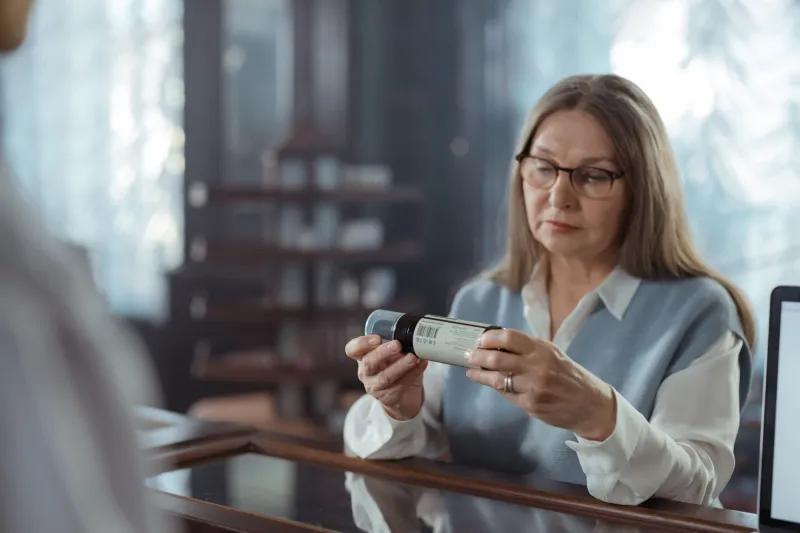
Ephedrine hydrochloride (HCl) is a pharmaceutical compound with a long and complex history in American medicine. Once widely available in over-the-counter products and dietary supplements, it is now subject to strict federal and state regulations that govern how, where, and for what purposes it may be obtained and used. For consumers who encounter references to this compound — whether through a healthcare provider, a pharmacist, or an online search — a clear, evidence-based understanding of what ephedrine HCl actually is, what it does, and what the law says about it is far more valuable than marketing claims or anecdotal reports.
What Is Ephedrine HCl?
Ephedrine is a sympathomimetic amine, meaning it mimics the effects of the body's sympathetic nervous system — the system responsible for the "fight or flight" response. The hydrochloride salt form (HCl) is the pharmaceutical-grade version used in medical preparations. It acts on both alpha- and beta-adrenergic receptors, producing effects that include bronchodilation (opening of the airways), increased heart rate, elevated blood pressure, and stimulation of the central nervous system.
In clinical settings, ephedrine HCl has legitimate and well-documented uses. It is employed in hospital environments to manage hypotension (low blood pressure) that can occur during anesthesia, particularly spinal anesthesia used in procedures such as cesarean sections. It also has a recognized role in treating certain forms of bronchospasm and nasal congestion. These applications are administered under direct medical supervision with careful monitoring of cardiovascular parameters.
The Regulatory Landscape in the United States
The regulatory history of ephedrine in the United States reflects the federal government's response to serious public health concerns. The Combat Methamphetamine Epidemic Act of 2005, incorporated into the USA PATRIOT Act, placed strict controls on ephedrine and related compounds — including pseudoephedrine — because they serve as chemical precursors in the illicit manufacture of methamphetamine.
Under current federal law:
- Ephedrine-containing products sold at retail must be kept behind the pharmacy counter, even if they do not require a prescription.
- Purchasers must present a valid government-issued photo ID at the point of sale.
- Quantities are strictly limited — individuals may purchase no more than 3.6 grams per day and no more than 9 grams within a 30-day period.
- Retailers are required to maintain a logbook of all such sales, which is accessible to law enforcement.
Some states impose additional restrictions that go beyond federal minimums, including requiring a prescription for any ephedrine-containing product. Consumers should consult their state pharmacy board or a licensed pharmacist to understand the specific rules that apply in their jurisdiction.
The Dietary Supplement Ban and Its Implications
Prior to 2004, ephedrine alkaloids — the naturally occurring compounds found in the plant Ephedra sinica (ma huang) — were widely marketed in dietary supplements, primarily for weight loss and athletic performance enhancement. This changed when the U.S. Food and Drug Administration (FDA) issued a final rule banning the sale of dietary supplements containing ephedrine alkaloids, citing an unreasonable risk of illness or injury.
The FDA's decision was based on substantial evidence linking ephedrine-containing supplements to serious adverse cardiovascular events, including heart attack, stroke, and sudden death. This ban remains in effect. Consumers who encounter dietary supplements marketed with claims that suggest ephedrine content — or who find products online that purport to offer "ephedrine" for weight loss or performance purposes — should exercise extreme caution. Such products may be illegal, mislabeled, or adulterated.
Legitimate Medical Uses Versus Unsupported Claims
It is important to distinguish between the evidence-based, medically supervised use of pharmaceutical ephedrine HCl and the broader claims that have historically been made about ephedrine-containing products in consumer markets.
Supported by clinical evidence:
- Management of intraoperative hypotension under anesthesia
- Short-term relief of bronchospasm in certain respiratory conditions
- Nasal decongestant use under appropriate medical guidance
Not supported by sufficient evidence for consumer self-use:
- Long-term weight loss
- Athletic performance enhancement
- Energy supplementation
- Bodybuilding or muscle development
The cardiovascular risks associated with ephedrine — including arrhythmias, hypertensive crises, and interactions with numerous common medications — make unsupervised use particularly hazardous. Individuals with pre-existing heart conditions, hypertension, thyroid disorders, diabetes, or anxiety disorders face elevated risks. Drug interactions with monoamine oxidase inhibitors (MAOIs), certain antidepressants, and other stimulant medications can produce life-threatening reactions.
What to Do If Your Provider Has Recommended Ephedrine HCl
If a licensed healthcare provider has recommended ephedrine HCl as part of your treatment plan, the appropriate course of action is to fill that prescription or recommendation through a licensed U.S. pharmacy. Your pharmacist is an essential resource in this process. They can:
- Confirm the appropriate dose and administration schedule
- Review your complete medication list for potential interactions
- Explain what side effects to monitor and when to seek medical attention
- Address questions about storage and handling
Do not attempt to source ephedrine HCl through unverified online vendors, international pharmacies operating outside U.S. regulatory oversight, or any channel that does not involve a licensed dispensing pharmacist. Products obtained through such channels cannot be verified for purity, potency, or safety.
A Note on Online Searches and Consumer Safety
The prevalence of online searches for ephedrine HCl reflects, in part, the persistence of misinformation about its benefits and availability. Consumers seeking solutions for weight management, low energy, or respiratory symptoms deserve accurate information — not marketing language designed to circumvent regulatory safeguards.
If you are managing a respiratory condition, speak with your pulmonologist or primary care physician about the full range of evidence-based treatment options available, many of which offer superior safety profiles. If you are seeking support for weight management, a registered dietitian and your primary care provider can help you evaluate interventions that are both effective and safe.
The Bottom Line
Ephedrine HCl is a pharmacologically active compound with legitimate, well-defined medical applications that are administered under clinical supervision. It is not a consumer supplement, and its availability in non-prescription retail settings is tightly restricted under federal and state law for reasons grounded in documented public health risk.
Consumers who encounter ephedrine HCl in any context — whether through a medical recommendation or an online product listing — are best served by engaging with licensed healthcare professionals and licensed pharmacies. Evidence-based guidance, not promotional claims, should drive every decision about your medication and health.