The Hidden Acetaminophen Problem: How Duplicate Dosing Happens in Ordinary American Medicine Cabinets
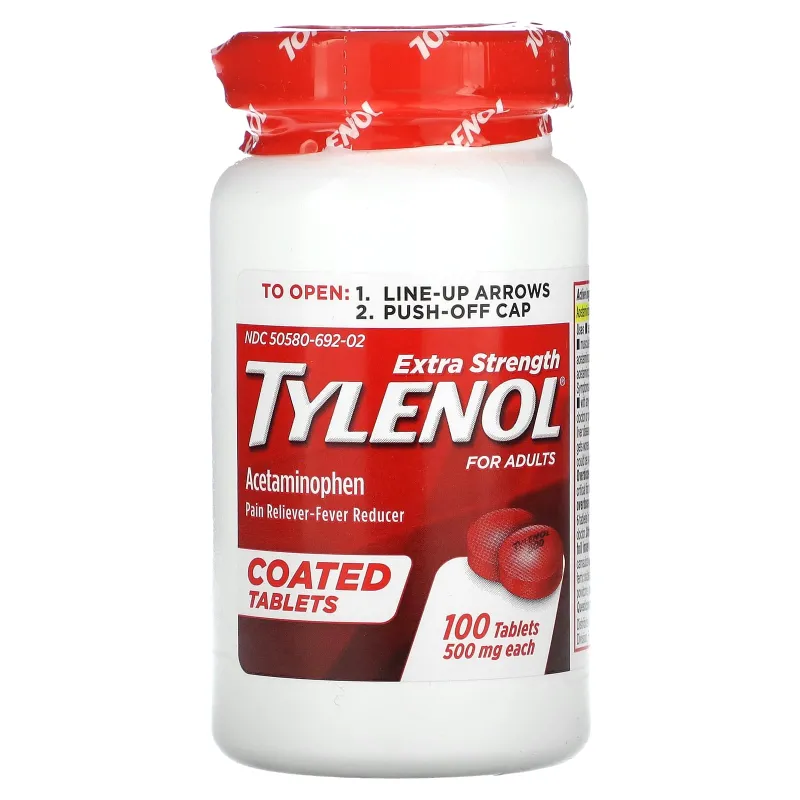
Photo: acetaminophen and cold medicine product labels on pharmacy shelf, via cloudinary.images-iherb.com
Acetaminophen is one of the most familiar ingredients in American medicine cabinets. It appears in products for headaches, fever, muscle aches, colds, flu, sinus pressure, and sleep. Because it is available without a prescription and appears in many brands, consumers often treat it as a background ingredient rather than a drug with a hard daily limit. That assumption is where accidental duplication begins.
The clinical name is acetaminophen. On prescription labels, it may appear as APAP. In combination products, it may be listed alongside other active ingredients. The problem is not that any single product is dangerous when used as directed. The problem is that three products used together can add up to a dose no one intended.
One Ingredient, Many Labels
Acetaminophen is a common component of multi-symptom cold and flu formulas, sinus products, nighttime sleep aids, and prescription pain relievers that combine an opioid with acetaminophen. A patient may take a prescription combination product for pain, add an over-the-counter cold medicine for congestion, and then take a separate acetaminophen tablet for fever. Each product may be appropriate on its own. Together, they can produce a cumulative dose that exceeds the safe daily limit.
The risk is compounded by branding. A store brand, a national brand, and a prescription product may all contain acetaminophen without sharing a recognizable name. The active ingredients panel is the reliable place to check, not the front of the package.
The Arithmetic of Accidental Overdose
For most adults, the generally accepted maximum daily dose of acetaminophen from all sources is 4,000 milligrams. Some products carry lower daily limits, and some clinicians recommend lower limits for people with liver disease, people who drink alcohol regularly, older adults, and those with low body weight. Patients should follow the most conservative limit given by their clinician or the product label.
The arithmetic becomes dangerous when products are combined. A single extra-strength tablet may contain 500 milligrams. A multi-symptom cold formula may contain acetaminophen in addition to other ingredients. A prescription opioid combination may contain 325 milligrams or more per tablet. If a patient takes the maximum of each product without recognizing the overlap, the total can climb quickly.
Why the Liver Is Vulnerable
Acetaminophen is processed by the liver. At therapeutic doses, the liver manages it safely through normal metabolic pathways. When the amount exceeds those pathways, a toxic intermediate can accumulate and injure liver cells. Early signs of liver injury can be subtle: nausea, vomiting, abdominal pain, fatigue, or poor appetite. Jaundice, dark urine, and confusion are later warning signs. A person can feel relatively well in the early stages of an overdose, which is why prompt medical advice matters.
Treatment for acetaminophen overdose is time-sensitive. If an overdose is suspected, the patient should call Poison Control or seek emergency care immediately, even if symptoms seem mild.
Reading the Label Before the Bottle Enters the Cabinet
A label-reading routine should begin at the store, not after symptoms worsen. Turn the package over and find the Drug Facts panel. Read the active ingredients list and the purpose for each ingredient. Then read the warnings and the directions. If acetaminophen appears, note the amount per tablet, capsule, or dose.
At home, compare that product with everything else the patient is taking. A simple duplicate check can prevent most accidental stacking:
- Read the active ingredients on every prescription and over-the-counter product.
- Look for acetaminophen, APAP, and combination pain relievers.
- Do not take two products containing acetaminophen at the same time unless a clinician has explicitly approved the total dose.
- Check cold, flu, sinus, and nighttime products, which are common hidden sources.
- Keep a written tally of acetaminophen taken in a day if multiple products are in use.
- Ask the pharmacist to review the full regimen, including supplements and prescription pain relievers.
A medicine cabinet audit can also help. Remove expired products, keep products in original packaging, and store them away from children. Do not rely on a product's front label to indicate whether it contains acetaminophen; 'multi-symptom' and 'nighttime' are marketing terms, not ingredient disclosures.
A Simple Duplicate-Check Routine
Before taking a new over-the-counter product, place it beside every medicine currently in use. Read the active ingredients aloud. If acetaminophen appears more than once, stop and calculate the total. If the total is unclear, call the pharmacist. If a prescription label says APAP, treat it as acetaminophen. If a patient is already taking a prescription combination product for pain, adding an over-the-counter acetaminophen product should be cleared with a clinician first.
Patients should also tell their clinicians about alcohol use, liver disease, and any other medications that affect the liver. These factors can change the safe limit and the monitoring needed.
When to Seek Help
Seek immediate medical attention for suspected overdose, even without symptoms. Warning signs can include persistent nausea, vomiting, abdominal pain, unusual fatigue, yellowing of the skin or eyes, dark urine, or confusion. Do not wait for symptoms to become severe. Acetaminophen is a useful medicine when used with care, but its hidden presence in multiple products makes label literacy a safety skill, not a formality.